Welcome to Mars!

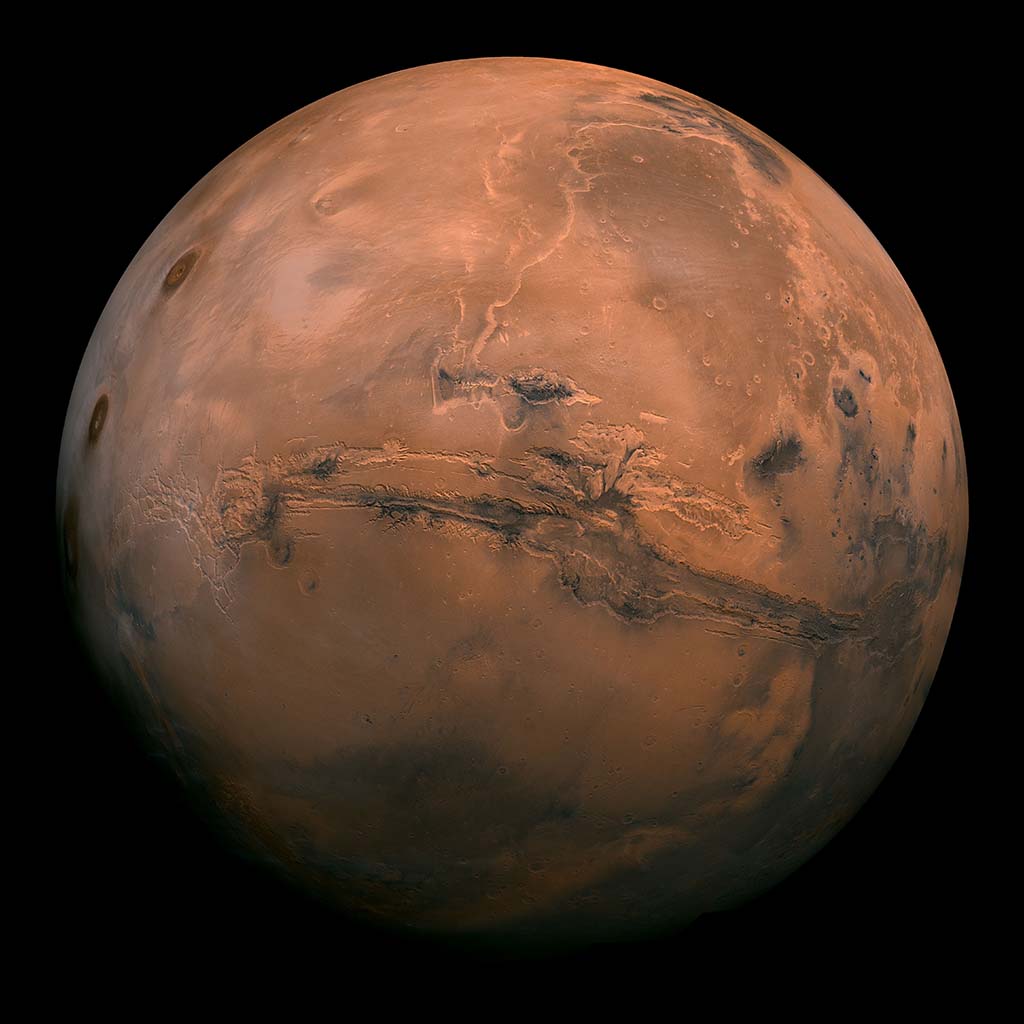
The red planet
Mars is the fourth planet from the Sun and the last of the four inner planets. It is a cold, dry world, famous for its rusty red colour and for being one of the most explored places in the Solar System.
Mars may once have had rivers, lakes and perhaps even oceans on its surface. Today, scientists study the planet with orbiters, landers and rovers as they search for clues about water, climate and the possibility of ancient life.
Mars quick facts
Position
Fourth planet from the Sun
Planet type
Terrestrial planet
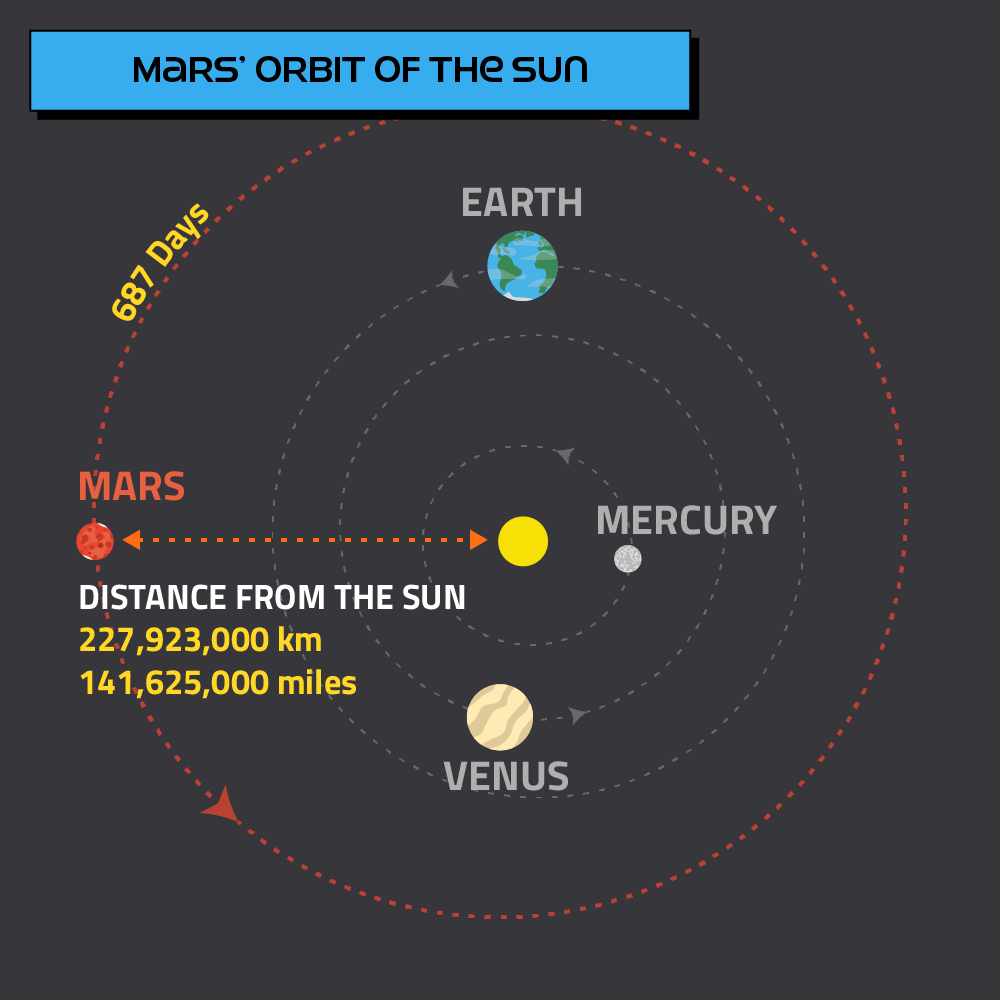
Average distance
227,923,000 km
141,624,742 milesDiameter
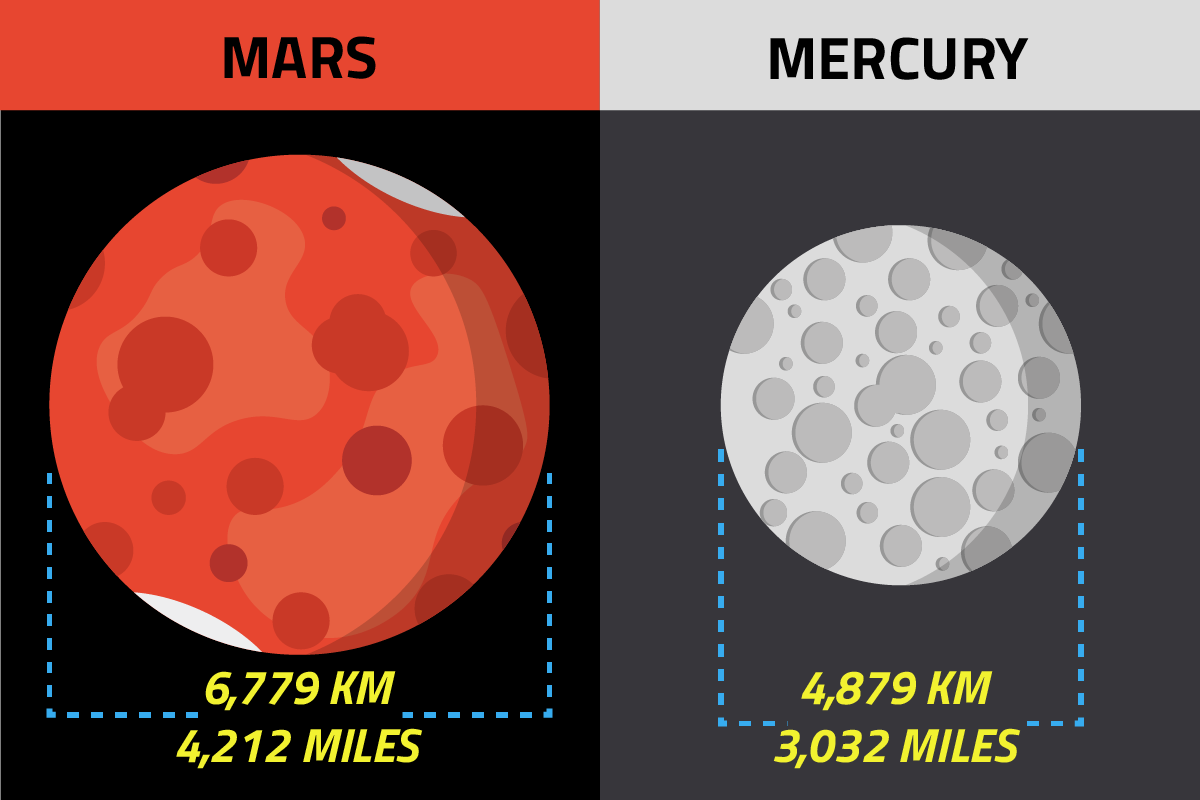
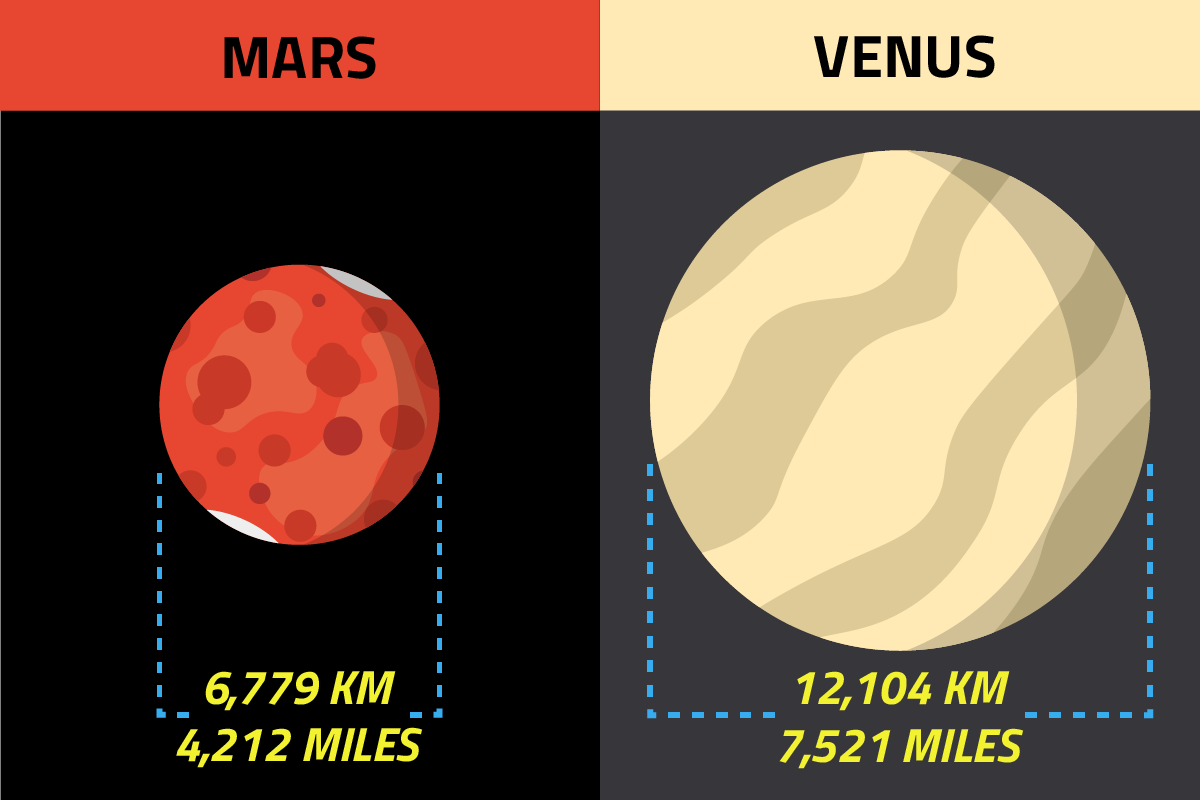
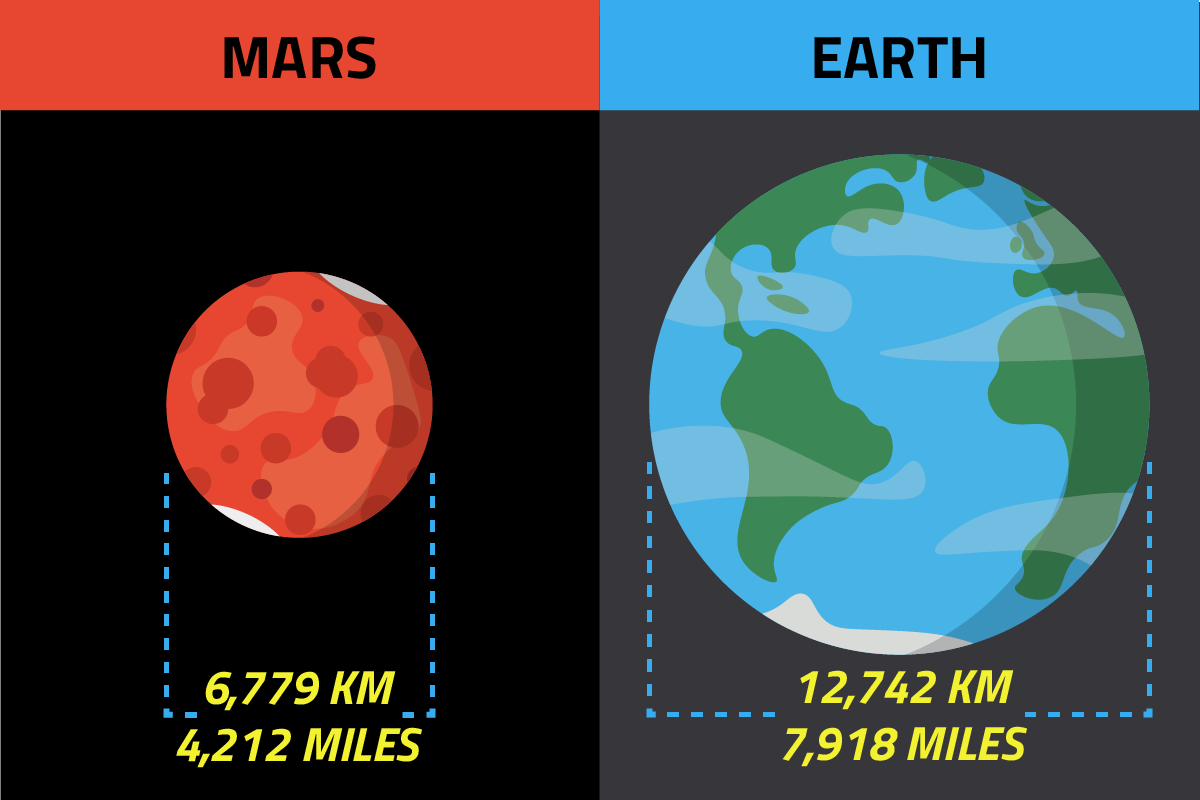
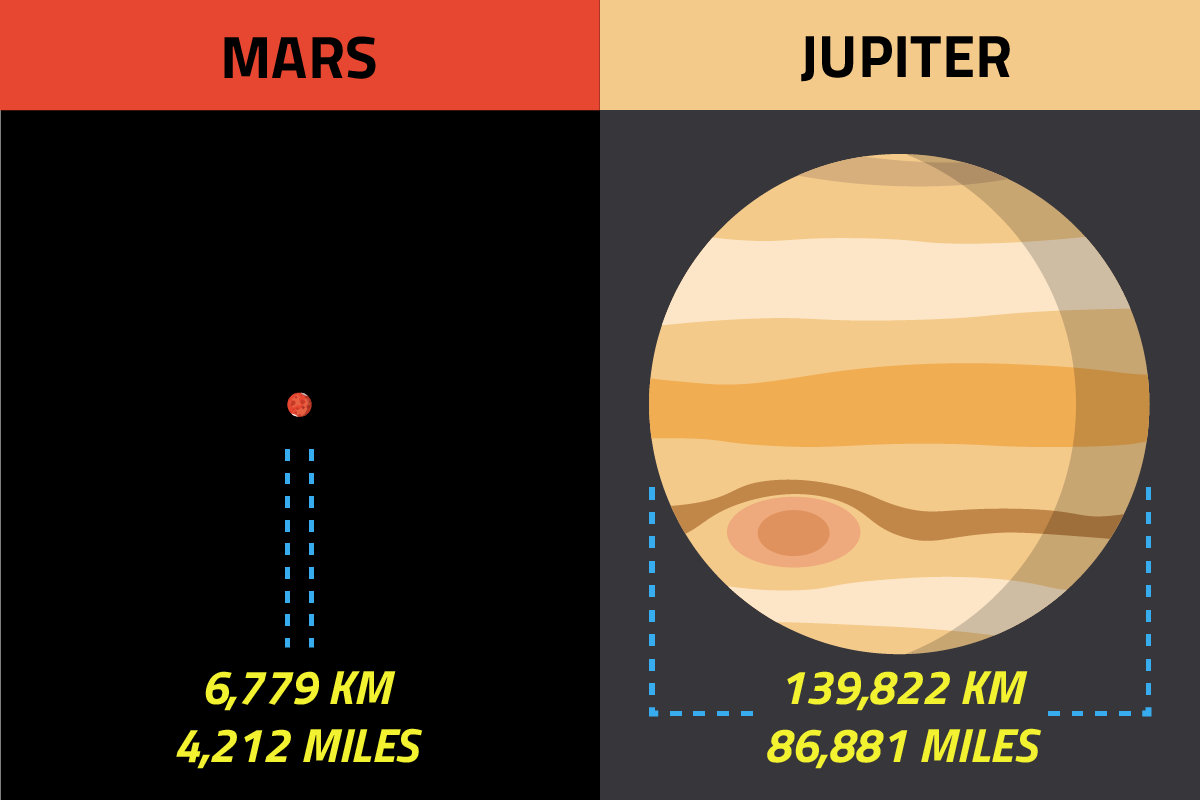
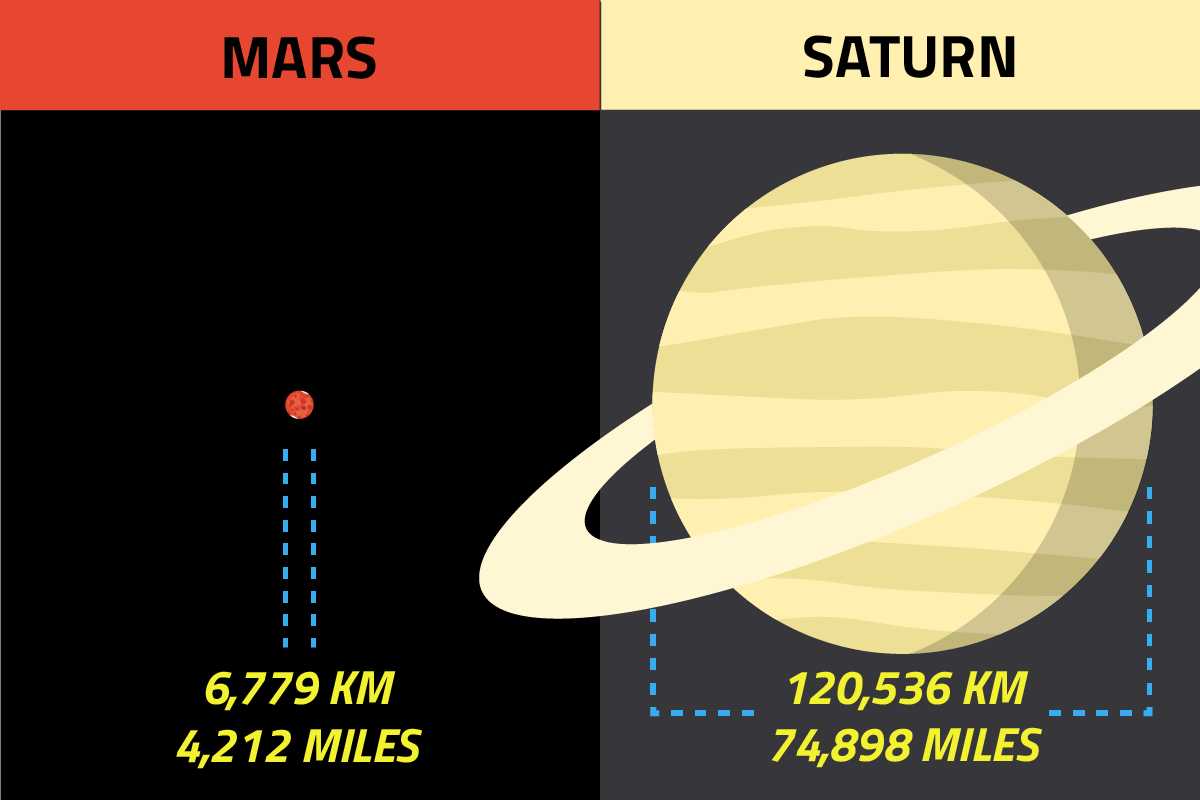
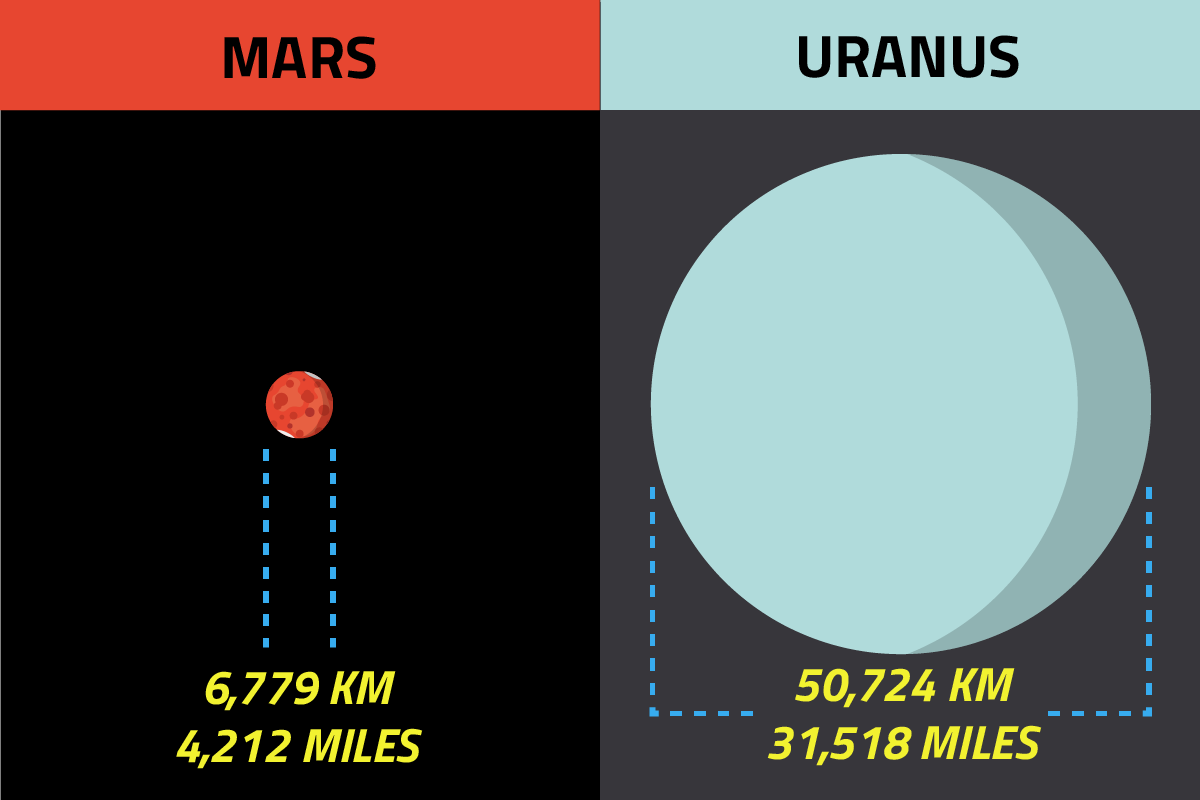
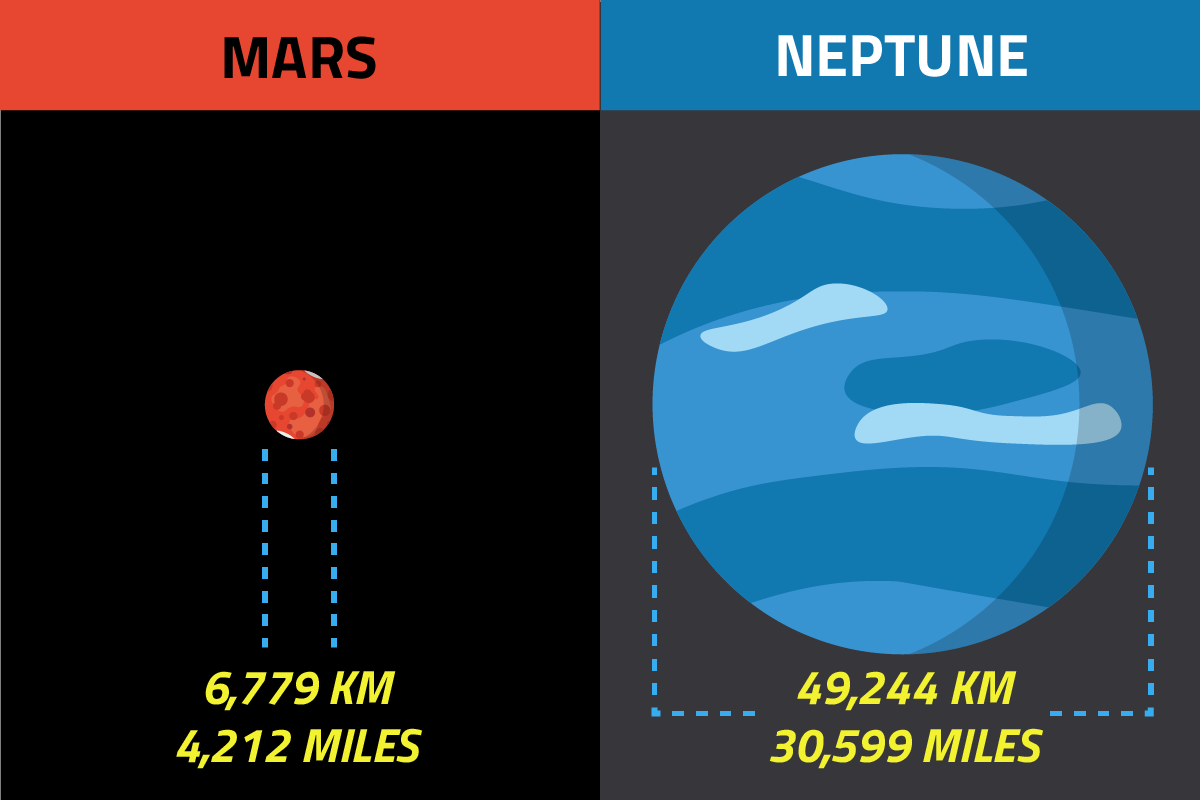
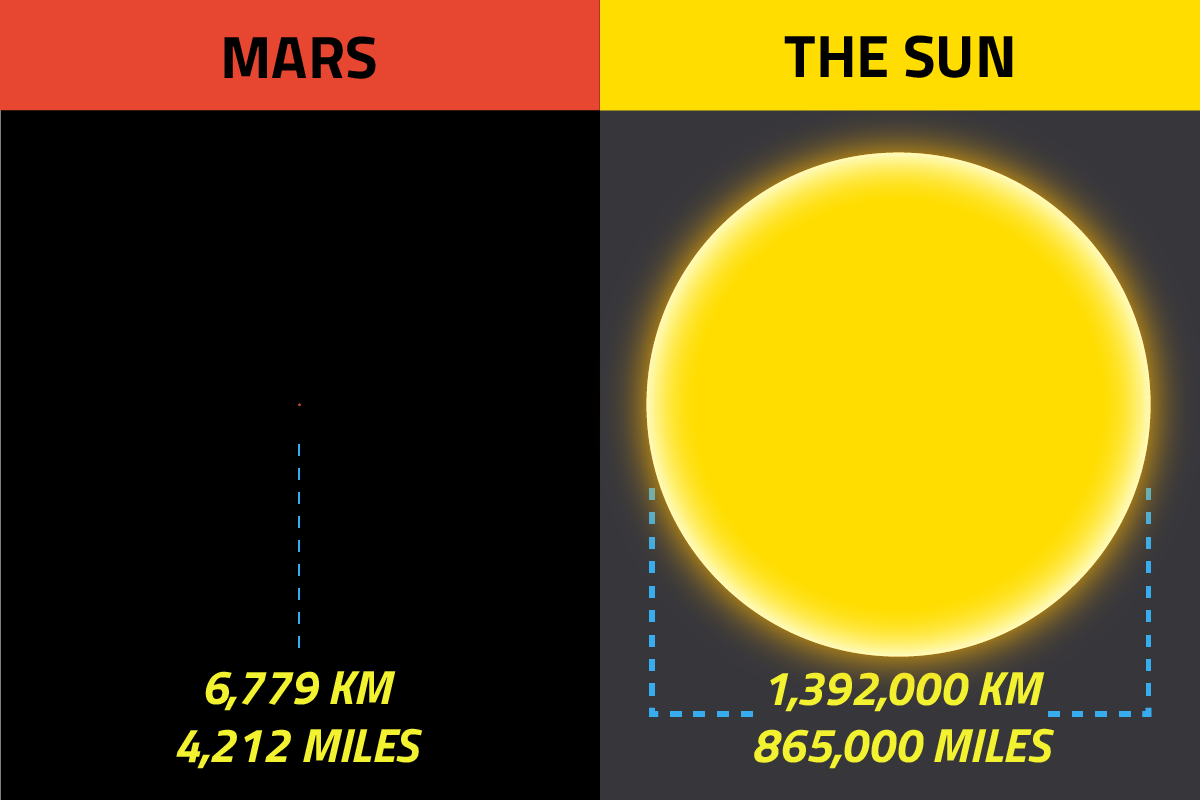
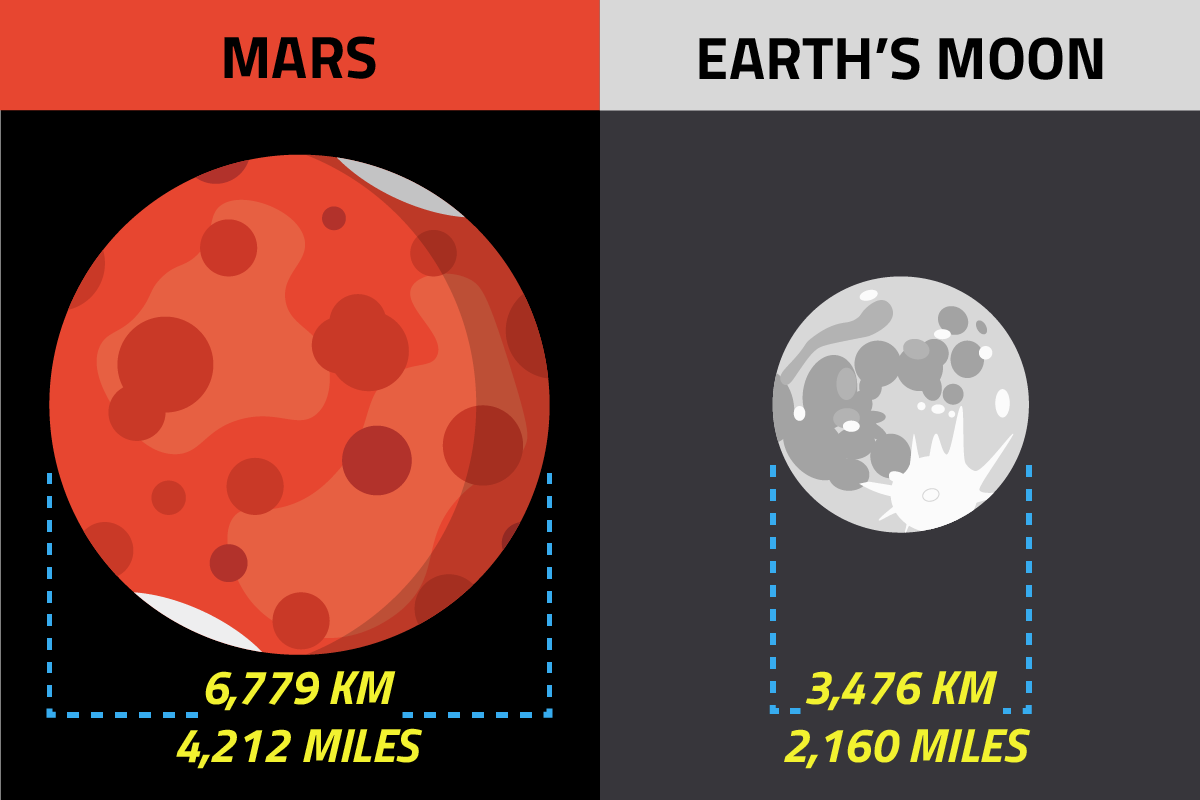
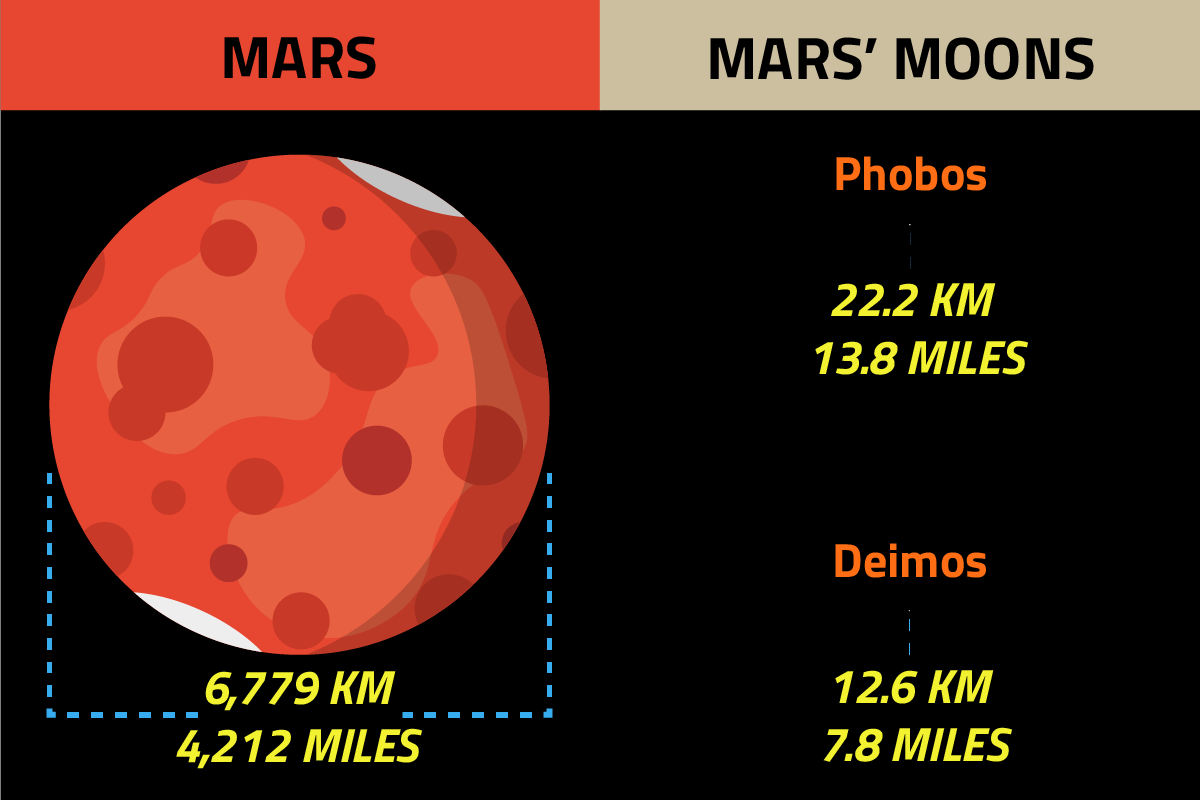
6,779 km
4,212 milesDay length
24 hours, 40 mins
Year length
687 days
Temperature
Average: -65 °C / -85 °F
Min: -153 °C / -243 °F
Max: 20 °C / 68 °F
Moons
Mars in context
Explore Mars
Find out more about Mars by exploring the search for life, its strange sunsets, tiny moons, space missions and fascinating facts.
Is there Life on Mars?
Find out why scientists continue to search Mars for signs of life, either now or in its ancient past.
Explore life on Mars →Sunset on Mars
Discover why sunsets on Mars can appear blue instead of red or orange.
Explore Martian sunsets →Moons of Mars
Meet Phobos and Deimos, the two small moons that orbit the Red Planet.
Explore Mars's moons →Missions to Mars
Explore the orbiters, landers and rovers that have travelled to Mars to study its surface and atmosphere.
Explore Mars missions →Ten Facts about Mars
A quick collection of fascinating facts about the Red Planet.
Read Mars facts →